Endometriosis Treatment in Kochi

When Period Pain Is More Than Just Period Pain

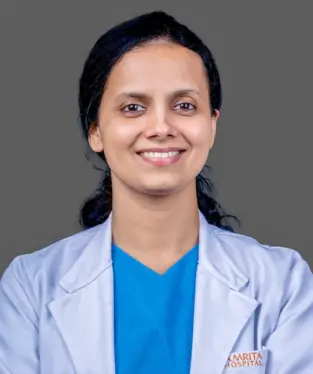
Dr. Priya Bhati provides specialist evaluation and treatment for endometriosis in Kochi, including complex endometriosis requiring laparoscopic or advanced surgical management.
About

Specialist Care for Endometriosis

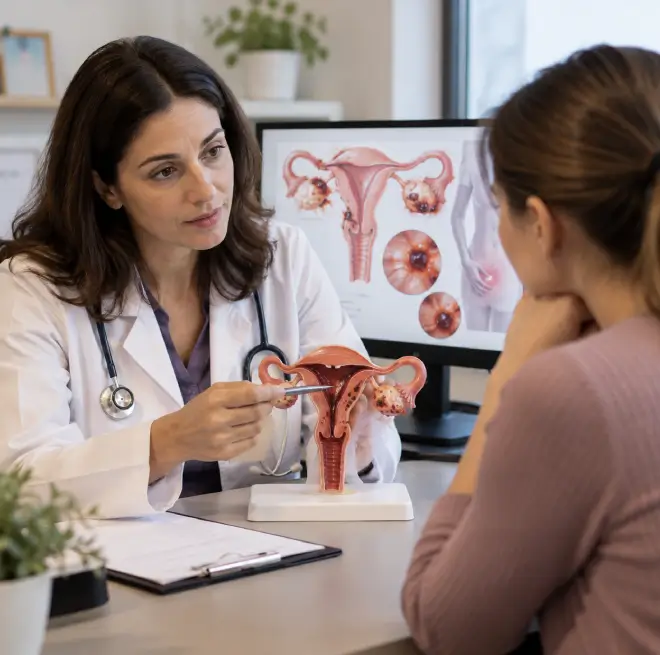
Endometriosis occurs when tissue similar to the lining of the uterus grows outside the uterus, commonly around the ovaries, pelvic lining and other structures in the pelvis. It can cause painful periods, chronic pelvic pain, pain during intercourse and fertility problems, although symptoms can vary considerably from one woman to another.

Treatment depends on your symptoms, the location and extent of endometriosis, whether an endometrioma or deep endometriosis is present, and whether you are planning a pregnancy. Depending on the situation, treatment may involve medication, monitoring, fertility-focused care or surgery. Dr. Priya Bhati has expertise in complex benign gynaecological surgery and laparoscopic gynaecological procedures, including complex endometriosis surgery.

Endometriosis Treatment in Kochi

Endometriosis can be difficult to recognise because severe pain is sometimes treated as a normal part of having periods.

But period pain that regularly interferes with work, studies, exercise, sleep, relationships or everyday activities deserves proper evaluation.

Endometriosis is a chronic condition in which tissue similar to the lining of the uterus grows outside the uterus. It can occur around the ovaries, fallopian tubes, pelvic lining and other areas. In some women, it remains relatively limited. In others, it can cause ovarian cysts called endometriomas, adhesions or deeper disease involving structures within the pelvis.

The symptoms are not always proportional to the amount of disease. Some women with extensive endometriosis may have relatively few symptoms, while others can experience significant pain even when the visible disease appears limited.

This is why treatment should be based on the individual woman rather than symptoms alone.

What Are the Symptoms of Endometriosis?

Pain is one of the most common reasons women seek help for endometriosis.

Symptoms can include:

  • Severe pain during periods
  • Pelvic pain between periods
  • Pain during or after sexual intercourse
  • Pain while passing stools, particularly around menstruation
  • Pain while passing urine, particularly around menstruation
  • Heavy or irregular menstrual bleeding
  • Bloating or abdominal discomfort
  • Difficulty becoming pregnant
  • Persistent lower abdominal or pelvic pain

Some women may have only one or two symptoms, while others experience several at the same time.

Endometriosis can also affect everyday life. Persistent pain may make it difficult to work, study, exercise or maintain normal social activities. ESHRE notes that endometriosis-associated pain and infertility can have a significant effect on quality of life.

If your period pain repeatedly forces you to change your plans or take pain medication just to get through the day, it is worth discussing with a gynaecologist.

Is Severe Period Pain Normal?

Mild discomfort during menstruation can be common.

But severe pain that affects your normal activities should not simply be dismissed as "normal period pain."

You may want to seek specialist assessment if:

  • You regularly miss work or college because of period pain
  • Painkillers are no longer providing enough relief
  • Your pain is getting worse over time
  • You have pain during intercourse
  • You have persistent pelvic pain
  • You have pain when passing stools during your period
  • You have difficulty becoming pregnant
  • You have been told that you have an ovarian endometrioma
  • Previous treatment has not controlled your symptoms

These symptoms do not automatically mean that you have endometriosis. Other gynaecological conditions can cause similar problems.

A proper evaluation is therefore important.

How Is Endometriosis Diagnosed?

The diagnosis starts with your symptoms and medical history.

Your doctor may ask about:

  • When your pain occurs
  • How severe the pain is
  • Whether it is linked to your menstrual cycle
  • Pain during intercourse
  • Bowel or urinary symptoms
  • Previous pelvic surgery
  • Fertility concerns
  • Previous treatment
  • Family history and other relevant medical information

A pelvic examination may also be performed when appropriate.

Depending on your symptoms, your doctor may recommend imaging such as an ultrasound or MRI.

The type of imaging needed depends on the suspected location and extent of disease.

A normal scan does not necessarily mean that endometriosis is impossible. Some forms of endometriosis can be difficult to identify, particularly when the disease is small or located in areas that are difficult to visualise.

Can Endometriosis Be Seen on an Ultrasound?

Sometimes.

An ultrasound can identify certain forms of endometriosis, particularly ovarian endometriomas and some forms of deep endometriosis when performed and interpreted appropriately.

However, not every case of endometriosis can be detected on an ultrasound.

Your symptoms, examination and imaging findings therefore need to be considered together.

If your symptoms strongly suggest endometriosis but the initial scan does not provide an explanation, further assessment may still be appropriate.

What Is an Ovarian Endometrioma?

An ovarian endometrioma is a type of ovarian cyst associated with endometriosis.

It develops when endometriosis affects the ovary and can contain old blood. Because of its appearance, it is sometimes referred to as a "chocolate cyst."

Endometriomas can occur in one or both ovaries.

They may cause:

  • Pelvic pain
  • Painful periods
  • Pain during intercourse
  • Fertility difficulties
  • A feeling of pressure or discomfort

The presence of an endometrioma does not automatically mean that surgery is required.

The decision depends on factors such as the size and appearance of the cyst, symptoms, fertility plans, previous treatment and other findings.

If surgery is recommended, protecting as much healthy ovarian tissue as possible is an important consideration. ESHRE specifically recommends caution to minimise ovarian damage during endometrioma surgery.

What Is Deep Endometriosis?

Deep endometriosis refers to a form of disease that affects deeper tissues and structures within the pelvis.

It can involve areas such as:

  • The tissues behind the uterus
  • Uterosacral ligaments
  • Rectovaginal area
  • Bowel
  • Urinary tract
  • Other pelvic structures

Symptoms depend on where the disease is located.

For example, endometriosis affecting the bowel may be associated with pain during bowel movements, particularly around periods. Disease involving the urinary tract can cause urinary symptoms.

Deep endometriosis can be more complex to diagnose and treat than superficial disease.

ESHRE recommends that women with deep endometriosis who require surgery be referred to a centre with appropriate expertise.

What Is a Frozen Pelvis?

Severe endometriosis can cause inflammation and scar tissue, leading pelvic organs to become stuck together.

This is sometimes referred to as a frozen pelvis.

The uterus, ovaries, fallopian tubes, bowel and surrounding tissues may become densely adherent to one another.

Surgery in this situation can be considerably more complex than routine gynaecological surgery.

Careful dissection is required to separate affected structures while reducing the risk of injury to surrounding organs.

Amrita Hospital's surgical oncology service specifically lists complex endometriosis with frozen pelvis among its benign surgical services.

Does Every Woman With Endometriosis Need Surgery?

No.

Surgery is only one part of endometriosis treatment.

Depending on your symptoms and goals, treatment may involve pain management, hormonal treatment, fertility-focused care, monitoring or surgery.

ESHRE recommends that surgery can be considered as one option for reducing endometriosis-associated pain, but the decision needs to take into account the woman's symptoms, preferences, fertility plans and the nature of the disease.

Surgery may be considered when:

  • Pain remains significant despite medical treatment
  • An ovarian endometrioma requires surgical assessment
  • Deep endometriosis is causing significant symptoms
  • Endometriosis is affecting important pelvic structures
  • There are concerns about complications from the disease
  • Fertility treatment requires a specific surgical approach
  • Previous treatment has not provided adequate relief

The goal is not to perform surgery simply because endometriosis has been found. The goal is to choose treatment that makes sense for your particular situation.

When Is Laparoscopic Surgery Used for Endometriosis?

Laparoscopy is a minimally invasive surgical approach commonly used in the management of endometriosis.

Instead of a large abdominal incision, the surgeon operates through small incisions using a camera and specialised instruments.

Depending on the location and extent of disease, laparoscopic surgery may be used to remove endometriosis lesions, release adhesions or treat an ovarian endometrioma.

For deep or complex endometriosis, however, the procedure can become considerably more involved.

The surgical approach should therefore be based on the disease rather than simply choosing the smallest possible incision.

Dr. Priya Bhati's official profile lists laparoscopic gynaecology and gynaecologic oncology surgery as areas of expertise, along with complex benign gynaecological surgery.

What Happens During Endometriosis Surgery?

The exact procedure depends on where the endometriosis is located.

During surgery, the doctor may:

  • Identify endometriosis lesions
  • Remove visible endometriosis
  • Separate adhesions
  • Treat an ovarian endometrioma when indicated
  • Assess the pelvis and reproductive organs
  • Treat deeper disease where appropriate
  • Preserve healthy ovarian tissue whenever possible

The complexity depends on how extensive the disease is and which organs are involved.

Deep endometriosis affecting the bowel, bladder or other structures may require additional surgical expertise and, in some cases, coordination with other specialists.

Excision or Ablation for Endometriosis

There are different surgical techniques for treating visible endometriosis lesions.

Excision involves surgically removing the endometriosis tissue.

Ablation involves destroying the surface of the lesion rather than removing it completely.

ESHRE's guideline states that when surgery is performed for endometriosis-associated pain, clinicians may consider excision instead of ablation, although the evidence is not equally strong for every situation.

The appropriate technique depends on the location, depth and characteristics of the disease.

Endometriosis Surgery and Fertility

Fertility can be an important concern for women with endometriosis.

The condition itself can be associated with infertility, but surgery can also affect ovarian reserve if ovarian tissue is damaged during an operation.

This is particularly important when operating on ovarian endometriomas.

If you are planning a pregnancy now or in the future, tell your doctor before deciding on surgery.

The treatment plan should consider both your symptoms and your reproductive goals.

ESHRE specifically recommends caution during endometrioma surgery to minimise ovarian damage.

In some women, fertility treatment may be more appropriate than surgery. In others, surgery may be considered because of symptoms, disease characteristics or another clinical reason.

There is no single approach that applies to every woman.

Can Endometriosis Cause Infertility?

Endometriosis can be associated with difficulty becoming pregnant.

The reasons can vary and may include inflammation, adhesions affecting the fallopian tubes or ovaries and changes within the pelvic environment.

However, having endometriosis does not mean that pregnancy is impossible.

If you are trying to conceive and have symptoms suggestive of endometriosis, it is worth discussing both the condition and your fertility plans with your doctor.

Your age, ovarian reserve, duration of infertility, severity of endometriosis and partner factors may all influence the recommended approach.

Will Surgery Cure Endometriosis?

It is important to be realistic about this.

Surgery can remove visible endometriosis and may improve pain or other symptoms in appropriate patients. But endometriosis is a chronic condition, and symptoms or disease can recur.

ESHRE also notes that even hysterectomy does not necessarily cure endometriosis or eliminate symptoms in every woman.

The purpose of treatment is therefore to manage the disease, reduce symptoms and address the woman's individual goals.

Long-term follow-up may be appropriate depending on your condition.

What Happens After Endometriosis Surgery?

Recovery depends on the type and extent of surgery.

A straightforward laparoscopic procedure may have a different recovery period from extensive surgery for deep endometriosis or frozen pelvis.

After surgery, you may be advised about:

  • Wound care
  • Pain management
  • Physical activity
  • Returning to work
  • Sexual activity
  • Menstrual changes
  • Fertility planning
  • Follow-up appointments
  • Additional medical treatment

Some women may also be offered hormonal treatment after surgery if they are not trying to become pregnant immediately. ESHRE notes that postoperative hormone treatment may be offered in appropriate patients to improve immediate outcomes after surgery for pain.

Why Specialist Experience Matters in Complex Endometriosis

Endometriosis can range from relatively limited disease to severe disease involving multiple pelvic organs.

Complex cases require careful planning because the disease may be closely associated with the bowel, bladder, ureters, ovaries or other structures.

Dr. Priya Bhati has expertise in complex benign gynaecological surgeries and laparoscopic gynaecological procedures. Her official profile also lists robotic-assisted benign gynaecological surgery among her areas of expertise.

Amrita Hospital's surgical oncology service lists complex endometriosis with frozen pelvis among the benign surgeries performed by its team.

This type of specialist experience becomes particularly relevant when endometriosis is extensive, previous surgery has not solved the problem or the disease involves difficult pelvic structures.

Endometriosis Treatment in Kochi With Dr. Priya Bhati

If you have been living with severe period pain for years, have repeatedly been told that your pain is normal or have already tried treatment without getting enough relief, it may be time for a more detailed evaluation.

Dr. Priya Bhati provides gynaecological care in Kochi with expertise in complex benign gynaecological surgery and minimally invasive procedures. She completed her MCh in Gynaecologic Oncology from CMC Vellore and is currently an Associate Professor at Amrita Hospital, Kochi.

For women with complex endometriosis, the consultation can focus on understanding the symptoms, reviewing previous reports and scans, assessing the extent of disease and discussing whether medical management, monitoring or surgery is appropriate.

If you have already undergone previous endometriosis surgery and your symptoms have returned, bring your previous operative notes, scan reports and treatment records to your consultation.

When Should You Book an Endometriosis Consultation?

Consider seeking specialist evaluation if:

  • Your period pain regularly affects your daily life
  • You have persistent pelvic pain
  • You experience pain during intercourse
  • You have bowel or urinary pain around your periods
  • You have been diagnosed with an ovarian endometrioma
  • You have difficulty becoming pregnant
  • You have been diagnosed with deep endometriosis
  • You have been told you have a frozen pelvis
  • Your symptoms have returned after previous surgery
  • Medical treatment has not provided adequate relief
  • You have been advised to undergo complex endometriosis surgery

You do not have to wait until the pain becomes unbearable before seeking help.

Book an Endometriosis Consultation in Kochi

Persistent pelvic pain can affect much more than your periods. It can interfere with work, relationships, sleep, exercise and plans for pregnancy.

The first step is understanding what is causing the symptoms and how extensive the disease may be.

Dr. Priya Bhati provides specialist evaluation and surgical care for endometriosis in Kochi, including complex endometriosis and cases involving frozen pelvis.

Get Your Endometriosis Evaluated

If pain has become a regular part of your life, speak with a specialist about your symptoms and treatment options.

Book a Consultation

FREQUENTLY ASKED QUESTIONS

1. What is endometriosis?

Endometriosis is a chronic condition in which tissue similar to the lining of the uterus grows outside the uterus. It can affect the ovaries, pelvic lining and other pelvic structures and may cause pain or fertility problems.

2. What are the common symptoms of endometriosis?

Common symptoms include severe period pain, chronic pelvic pain, pain during intercourse, pain with bowel movements or urination around menstruation and difficulty becoming pregnant. Some women may have few or no symptoms.

3. Is severe period pain a sign of endometriosis?

Severe period pain can be a symptom of endometriosis, particularly when it interferes with normal daily activities. However, other conditions can also cause painful periods, so proper evaluation is needed.

4. Can endometriosis be cured?

There is currently no guaranteed permanent cure for endometriosis. Treatment can help control symptoms and manage the disease. Surgery can remove visible endometriosis in appropriate cases, but recurrence can occur.

5. Does every woman with endometriosis need surgery?

No. Treatment may include medication, hormonal treatment, monitoring, fertility-focused care or surgery depending on your symptoms, disease and reproductive goals.

6. What is an endometrioma?

An endometrioma is an ovarian cyst associated with endometriosis. It can contain old blood and may cause pelvic pain, painful periods or fertility difficulties.

7. Does an endometrioma always need surgery?

No. Surgery is not automatically required for every endometrioma. The decision depends on factors such as symptoms, cyst characteristics, fertility plans and other clinical findings.

8. What is deep endometriosis?

Deep endometriosis is disease that affects deeper tissues and structures within the pelvis. It can involve areas around the bowel, bladder, uterosacral ligaments and rectovaginal region.

9. What is a frozen pelvis?

A frozen pelvis occurs when extensive endometriosis and adhesions cause pelvic organs to become densely stuck together. Surgery can be complex when the bowel, bladder, ovaries or other structures are involved.

10. Can endometriosis affect fertility?

Yes. Endometriosis can be associated with difficulty becoming pregnant. The impact on fertility varies between women and depends on factors such as the location and extent of disease and other fertility factors.

11. Can I get pregnant after endometriosis surgery?

Pregnancy may be possible after endometriosis surgery, but the outcome depends on your age, ovarian reserve, extent of endometriosis, type of surgery and other fertility factors.

12. Can laparoscopic surgery treat endometriosis?

Laparoscopic surgery can be used to treat selected endometriosis cases. It may involve removing endometriosis lesions, releasing adhesions or treating an endometrioma. Complex disease may require more extensive surgery.

13. What is the difference between excision and ablation?

Excision removes the endometriosis lesion, while ablation destroys the surface of the lesion. The appropriate technique depends on where the disease is located and how deeply it extends.

14. Can endometriosis come back after surgery?

Yes. Endometriosis can recur after surgery. Your long-term management may include follow-up and, where appropriate, medical treatment depending on whether you are trying to become pregnant.

15. Can endometriosis affect the bowel?

Yes. Deep endometriosis can involve the bowel and may cause pain during bowel movements, particularly during menstruation. Treatment should be planned according to the location and extent of disease.

16. Can endometriosis affect the bladder?

Endometriosis can sometimes involve the urinary tract, including the bladder. Symptoms may include urinary pain or other urinary symptoms, particularly around menstruation.

17. When should I see a specialist for endometriosis?

Consider specialist evaluation if pelvic or period pain affects your daily life, if you have an endometrioma, suspected deep endometriosis, fertility concerns or symptoms that have not improved with previous treatment.

18. What should I bring to an endometriosis consultation?

Bring previous ultrasound or MRI reports, blood test results, treatment records, previous operative notes and details of medications you have tried. If fertility is a concern, bring any relevant fertility investigations as well.

19. Can endometriosis be treated without surgery?

Yes. Depending on your symptoms and goals, medical treatment may be appropriate. Surgery is considered in selected situations, particularly when symptoms remain significant or when the disease requires surgical management.

20. Where can I consult for endometriosis treatment in Kochi?

Dr. Priya Bhati provides specialist gynaecological care in Kochi and has expertise in complex benign gynaecological surgery and laparoscopic procedures. Amrita Hospital also lists complex endometriosis with frozen pelvis among its surgical services.

Specialised Cancer Care

Best Gynae Cancer Surgeon in Ernakulam

Get specialist evaluation and treatment planning for ovarian, cervical, uterine, vaginal and vulvar cancers, with surgical options tailored to your diagnosis and individual needs.
Gynae Oncologist

Meet Your Gynaecologic Oncology Specialist in Kochi - Dr. Priya Bhati

Dr. Priya Bhati

MBBS, M. Ch. (Gynaecologic Oncology), MD (Obs & Gynae)
Senior Consultant - Gynae Oncologist and Robotic Surgeon, Department of Gynecologic Oncology, Amrita Institute of Medical Sciences, Kochi, Kerala

Dr. Priya Bhati is a Senior Consultant Gynae Oncologist and Robotic Surgeon at Amrita Institute of Medical Sciences, Kochi. She specialises in the treatment of gynaecological cancers and complex gynaecological conditions, with expertise in cancer surgery, robotic-assisted surgery and laparoscopic surgery. With years of experience at leading institutions such as CMC Vellore and PGIMER Chandigarh, she brings extensive surgical experience along with a caring and patient-focused approach.

Dr. Priya has completed her M.B.B.S. from Kasturba Medical College, Mangalore, M.D. in Obstetrics & Gynecology from Goa Medical College, and M.Ch. in Gynaecologic Oncology from Christian Medical College, Vellore. She treats women with different types of gynaecological cancers and also performs complex benign gynaecological surgeries and advanced procedures such as CRS and HIPEC.

She believes that every patient deserves to understand her condition and treatment clearly. Along with treating gynaecological cancers, Dr. Priya also focuses on prevention and early detection, including HPV vaccination and preventive gynaecologic care. Her goal is to provide personalised treatment while making patients and their families feel informed, comfortable and supported throughout their care.

Memberships
  • Association of Gynaecologic Oncologists of India (AGOI)
  • Association of Gynaecologic Robotic Surgeons (AGRS)
  • Society of European Robotic Gynaecological Surgery (SERGS)
  • KLSC (Kerala State Chapter AGOI)
Feedback
Reviews

Patients Testimonial

I was very scared when I came to know about my cancer. Dr. Priya Bhati explained everything clearly and told me what we should do next. I am really thankful for her support.

Anitha

Cancer Patient

Dr. Bhati is very patient and listens to all your doubts. She explained my reports in simple words and did not make me feel rushed. I felt much better after talking to her.

Sheeba

Cancer Patient

We met Dr. Priya Bhati for my mother’s treatment. She explained the surgery properly and answered all our questions. We felt that she really understood our concerns.

Reshma

Cancer Patient

I was worried about having surgery, but Dr. Bhati explained the procedure and what to expect. She was very calm and supportive. I am happy that we consulted her.

Deepa

Cancer Patient

Dr. Bhati gave us enough time during the consultation and explained the treatment options clearly. She also listened to what we wanted to know. Very good doctor and a very positive experience.

Mini

Cancer Patient

After my diagnosis, I was confused about what to do next. Dr. Bhati went through my reports and explained everything step by step. Her guidance gave me confidence to start my treatment.

Neethu

Cancer Patient

Latest Blog

Book An Appointment